The Irreplaceable Value of Being There
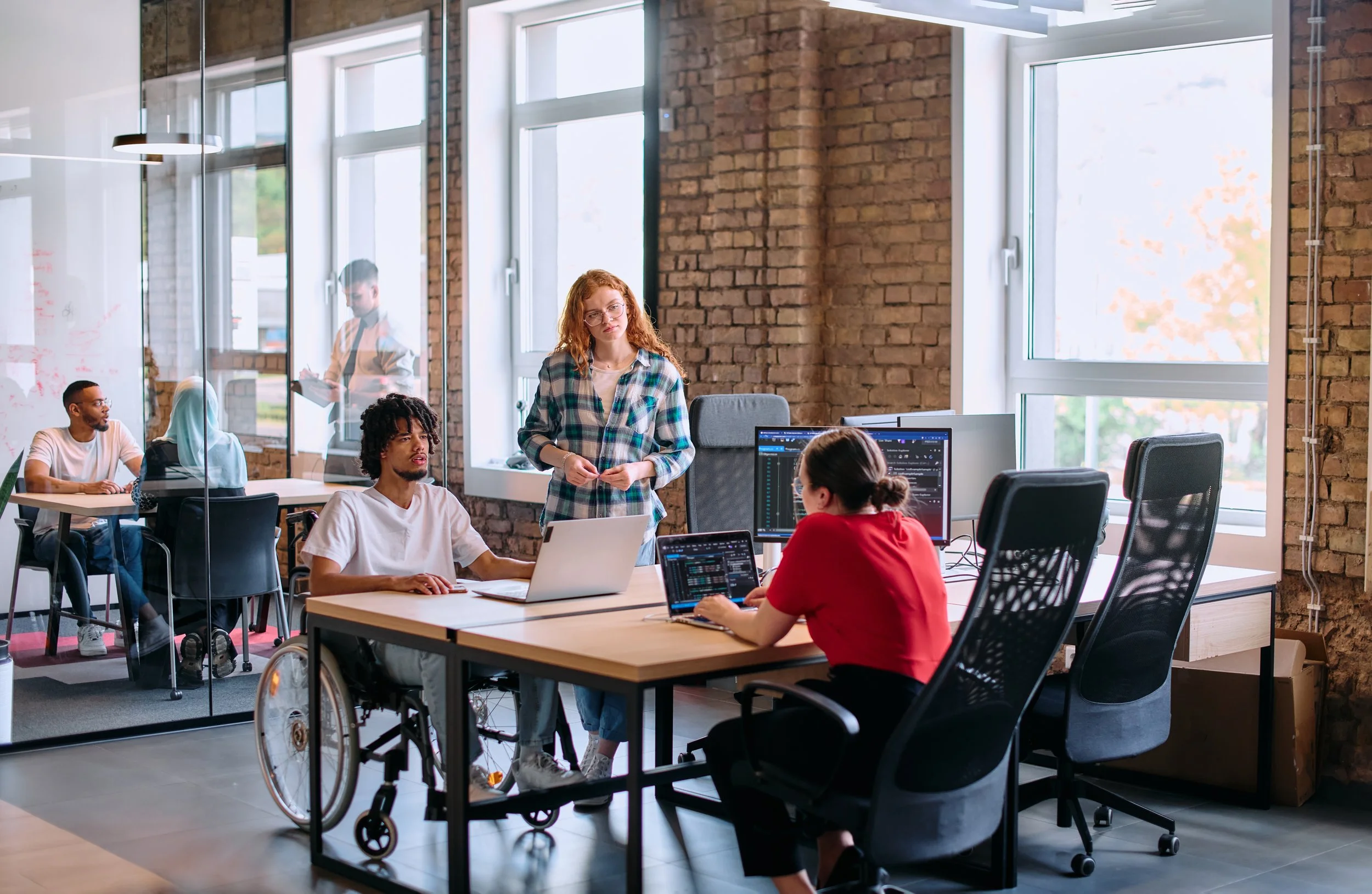
We live in an era where remote work has proven itself viable. Zoom calls function. Slack messages flow. Projects get completed from kitchen tables and home offices across time zones. And yet.
There remains something fundamentally different about being in the same room with another human being. Not better in all circumstances, but different in ways that matter, especially for the work that requires more than just information transfer.
When you're physically present with someone, you pick up on micro-signals that video calls compress or eliminate entirely. The slight hesitation before they answer. The way they lean forward when genuinely interested. The glance away that signals uncertainty they haven't yet voiced. These aren't just nice-to-haves. They're data points that inform better decisions and deeper understanding.
You also get the conversational drift that rarely happens on scheduled calls. The hallway conversation that reveals the real concern behind the formal question. The coffee break insight that reframes an entire project. The casual "while I have you here" that solves a problem before it becomes one.
If being remote is the default and in-person is the exception, you need to be strategic about what you do when you're together:
Don't waste it on information delivery. Anything that's primarily about conveying facts, updates, or status reports can happen asynchronously. Send the deck beforehand. Share the data in a document. Use your precious face-to-face time for what can't be replicated remotely.
Prioritize the ambiguous and complex. The discussions where you're not entirely sure of the right answer. The strategic decisions with multiple valid paths. The creative problems that benefit from real-time riffing and building on each other's ideas. These are exponentially better in person.
Build relationships, not just transactions. Remote work is efficient for executing tasks. In-person time is invaluable for building trust, understanding working styles, and creating the psychological safety that makes hard conversations possible later. A team that's shared meals and laughed together navigates conflict differently than one that only shares screen time.
Make space for serendipity. Some of the most valuable outcomes of in-person gatherings can't be scheduled. Build in unstructured time. Take the long way to lunch. Stay for the informal conversation after the formal meeting ends. The ROI of being there often comes from what wasn't on the agenda.
None of this diminishes the very real advantages of remote work: focus time, flexibility, inclusion of people who can't relocate, and the simple efficiency of not commuting. The point isn't that one mode is superior. It's that they serve different purposes.
Remote work excels at execution, documentation, and asynchronous collaboration. In-person work excels at alignment, innovation, and relationship building. The companies and teams that thrive will be those that consciously choose which mode serves each specific need rather than defaulting to one or the other.
When you bring people together in person, you're asking them to invest time, energy, and often travel expenses. The question isn't whether remote work can technically accomplish the same thing. The question is whether you're using that investment wisely, creating experiences and outcomes that genuinely couldn't happen through a screen.
Because if you're just going to sit around a conference table reading slides at each other, you probably should have stayed home.